Croatia – Pula, Rovinj and Zagreb

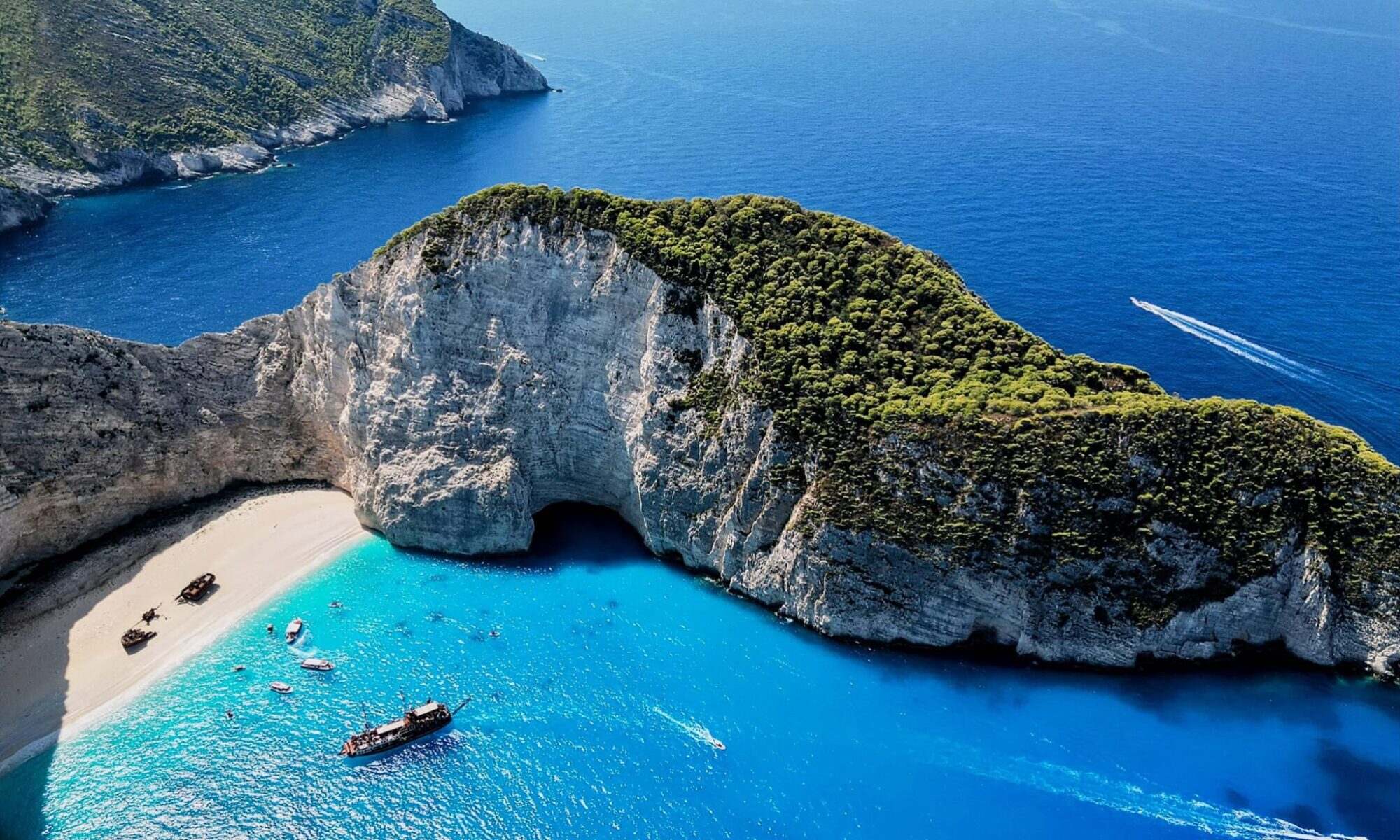
Next stop – Pula on the Adriatic Sea but on the tip of the Istrian Peninsula. This meant slightly different food and wine varieties. But the blue waters and temperate climate continued!

Pula by Sea

We had a bumpy ride getting to Pula. Our early morning ferry from Hvar to Split was cancelled. So we missed our direct flight to Pula. No worries, Croatian Air had another flight to Pula, except it connected through Zagreb and Zadar. Croatian Airlines was great about rebooking and even held our flight for us in Zagreb after a delay. So we eventually made it to Pula, but our bags did not! The baggage guy dutifully filled out a paper form and that did not instill confidence. Luckily, they delivered our bags the next afternoon.

For our first day in Pula, we planned a kayaking and cliff jumping trip with a local guide. Since our luggage had not arrived, we stopped by a nearby mall and bought new bathing suits and beach wear just in time. Croatia has truly fantastic malls, like I used to enjoy when I was a teenager. Lucky for us!

New bathing suits and hats!

The kayaking tour was great. The water was beautiful and the cliffs and rocky coastline were perfect. Our guide took us to a 47 foot high cliff and told us to jump! As usual, Dusty was the braver one and jumped right off. I chickened out and was only able to jump off the “baby” cliff. Our guide also got great footage of us swimming clear water and showing off the underground caves. It was truly a beautiful place to kayak and swim.

We also visited a beach on the other side of Pula. Again, the water was perfectly clear and blue. We braved the cool water and went for a swim. It was so refreshing and well worth the chill. If that was our last swim of the year, it was a good one!

Pula – by Land

Next we explored Pula the city. Pula is an ancient settlement. The Romans conquered Pula in 177 BC and the city flourished under their rule. As a typical Roman town, it had city walls and gates, aqueducts and an amphitheater. Several of these are still standing today. Most spectacularly, Pula Arena, constructed between 27 BC and 68 AD, is mostly intact today. We first saw the arena at night, and that view was spectacular!

Arch of the Sergii

Like other Croatian towns we visited, Pula has been ruled by the Romans, Venetians, French, and the Austrians. After World War I and the collapse of the Austrian-Hungarian Empire, Pula went to the Italians. The Italians forced the Croatians to speak Italian and assimilate into their culture. The locals spoke of the time under Italian Fascist rule as a dark time.

“To the Fighters of the National Liberation Struggle / To the Victims of Fascism”

After Mussolini fell, Pula was occupied by the Germans and subsequently bombed by the Allies at the end of World War II. Eventually, Pula joined Yugoslavia and remained a part of that country until its collapse in 1991. Interestingly, the locals in large part revere Tito – the famous communist leader of Yugoslavia from 1945 until his death in 1980. In school, we were generally taught that Tito was an authoritarian dictator and was one of the bad guys. It was interesting to hear a different perspective throughout Croatia and Slovenia from those who lived through it. Many of the people we met spoke wistfully of Yugoslavia and said they would go back without question.

Rovinj

We had some free time in Pula, and took a short bus to the nearby town of Rovinj. Rovinj looks like a little Venice and features Venetian architecture. It was a picturesque fishing port. We only spent a few hours there. But enjoyed wandering through the narrow cobblestone streets and the great views of the blue Mediterranean sea. We also enjoyed a glass of local rosé in a seaside cafe.

Rovinj

Zagreb

The capitol! And our last stop in Croatia. Zagreb is also an ancient city with a vibrant old town. What is now known as Zagreb initially consisted of two settlements – Gradec and Kaptol, founded in the 11th and 12th centuries. The two settlements fought for centuries until they were finally consolidated into Zagreb in 1850. Today you can visit both old town and see the former Medveščak creek (present-day Tkalčićeva Street) which divided the towns.

Zrinjevac Park

Kaptol and Gradec built walls and fortifications to protect from invasions from the Ottoman Empire. Some of the walls remain today. But only one gate remains – the Stone Gate – believed to have been built in the 13th century. It also serves as a shrine of Mother Mary. A painting inside the gate somehow survived the fire of 1731. When you visit today, there are people praying and lighting candles.

Stone Gate

One other interesting ritual, Zagreb fires the Grič cannon canon every day at noon. The cannon has fired, without fail, every day at noon for 110 years. We witnessed it and got a wave from the cannon operator. A very fun tradition!

In 2020, Zagreb was hit by an earthquake with a magnitude of 5.3 with the epicenter just 7 km north of the city center. The modern buildings remained largely intact, but the old town was hit hard. One of the spires of the iconic Zagreb Cathedral broke off and landed on the Archbishop’s Palace. The second spire had to be removed because it was so badly damaged and leaning. A part of the roof of the Croatian parliament collapsed. Most of the museums in the city were damaged and some, including the Croatian History Museum, remained closed today. Understandably, there was a ton of construction going on which resulted in closures, noise, and dust.

St. Mark’s Church
Statue of Saint George

So Many Museums

With many of the classic attractions closed, we turned to Zagreb’s incredible museums. There is a claim, potentially made up, that Zagreb has more museums per capita than any other city. There were the classic museums, including the City of Zagreb Museum. It was incredible, covering ancient culture all the way through post-World War II. It’s very well done and full of treasures. We also visited the small but impactful 1991/1995 Zagreb Rocket Attacks Memorial Center. During the civil war, the Yugoslavian army struck Zagreb with rockets twice. The museum somberly showed the damage caused by the war and the human toll.

But Zagreb also has more unique museums. The Museum of Broken Relationships – exhibits consist of artifacts of relationships with a back story submitted by people from all over the world. Of course we visited the Museum of Chocolate which takes you through the development of chocolate in South America through the centuries. Plus, the museum gave you samples! We stopped by the HaHa House, a comedy museum that you enter through a slide and into a ball pit. Haven’t done that in many years!

The Museum of Illusions was interactive and so much fun. It played with mirrors, perspective, and optical illusions. We have great photos from its exhibits!

But our absolute favorite was the video game museum. The exhibits started with the 70’s with the first video games and went to present day. And you could play the games! So we played Frogger and Pac Man on arcade machines. My favorite though was playing Dr. Mario on regular Nintendo and Zelda on Super Nintendo. We could have stayed in the “museum” for hours. I would highly recommend!

You can see the concentration

This completes our time in Croatia. It was a beautiful country. The people were lovely. The food was fresh. The wine was interesting and delicious. It was 18 days well spent. We would love to come back in the Spring/Summer when it’s warm enough to really enjoy the water.

But now it’s on to England. A visit to England does not fit in with the rest of our trip. But there was a very good reason for this out of the way stop!

Thank you for reading! Let us know if you have questions and feel free to comment here!

Croatia’s Dalmatian Coast – Zadar, Split and Hvar

We are spending 18 days in Croatia. Way too much for one post, so this is Part I covering Zadar, Split and Hvar. Croatia is a beautiful country with fascinating history, great wine, and crystal blue water. We were here in the shoulder season, which was great for reduced crowds and the water was just warm enough for refreshing swims. It was a great time to visit!

Zadar

Zadar has thrived for over 3,000 years, and its Roman ruins still stand as proof of its long history. On one side of the Old Town, builders created a spacious waterfront with wide walkways and ladders leading into the sea for swimmers. Over the centuries, various empires ruled Zadar, and the architecture reflects their influence—Roman, Byzantine, Venetian, Austrian, and Italian. During World War II, Allied forces bombed the city and destroyed 80% of its buildings. After the war, Zadar joined communist Yugoslavia, which led to the construction of post-war buildings in the stark communist block style. As you walk through Zadar’s Old Town, you can spot elements from each era and culture woven into the city’s architecture. We found this mix of influences really interesting.

We ate delicious seafood in Zadar including black risotto – risotto made with cuttlefish ink to give it that black color (like squid ink). The seafood was so fresh and the produce all comes from local farms. You can taste the difference. It’s one of the things that makes visiting the Mediterranean so special.

Don’t sleep on Croatian wine! Tucked into the courtyard of an old church, The Wine Garden is a cozy spot where we enjoyed a fantastic wine tasting paired with local prosciutto and Pag cheese (a rich sheep’s milk cheese from the Island of Pag). Zadar also takes pride in its signature spirit: Maraschino, a cherry liqueur made from native maraska cherries—definitely worth a sip. Per usual, we visited a local brewery, Brlog, whose slogan is “Crafted by Stubbornness.” It stood out—not just for its great beer, but for being founded by two women. True to its rebellious spirit, my favorite brew was “Neposlušna,” AKA“Disobedient.”

Finally, we took a boat ride and visited a few of the smaller islands near Zadar. The water was just warm enough for a swim in the crystal clear blue Mediterranean. Our favorite!

Plitvice Lakes National Park (Plitviĉka Jezera)

Next, we took a bus to visit Plitvice Lakes National Park. After entering the park, we had an incredible view overlooking the huge waterfalls (slaps) and ethereal green water.

We walked along the boardwalk through the park and marveled at the waterfalls, lakes and fall foliage. It was a magical place. If you visit Croatia, it’s a must see. The pictures don’t do the park justice, so make sure to check out the video footage on our You Tube channel for an even better look.

Split

Our second home base, Split, the largest city in Dalmatia. Split’s Old Town centers around Diocletian’s Palace. Diocletian built the palace in 305 AD as his retirement home after he resigned as Roman emperor. Through the centuries, the people continued to build onto and around the palace. Walking through you see the different architectural styles – Roman temples turned to Christian churches, middle age era homes, and modern storefronts. The palace is still part of the city and is filled with shops and restaurants among the ancient ruins.

Diocletian’s Palace
Palace Cellar – Game of Thrones filmed dragon scenes here!

As if this weren’t enough, Split is on the coast and surrounded by clear blue water. We trekked up to the top of the old town and were rewarded with great views of the city and port. Split is also a bustling city blending the old and the new. Our Airbnb was in a modern apartment building surrounded by corporate buildings, businesses, and a huge shopping mall (I miss those!). Split was one of our favorite visits on the trip so far.

Krka National Park

Next, we took a bus from Split to visit Krka National Park. We rented e-bikes and rode along the scenic path to the park entrance. Near the entrance to the park, we found Kradinski Buk waterfall. Yes, more waterfalls and clear green water! Croatia is truly a beautiful country.

Hvar

Finally, Hvar, our last stop in Dalmatia. We took the fast ferry from Split to the island of Hvar. Hvar has it all – historic towns, picturesque villages, turquoise water, and sunsets to die for! It’s famous for its fancy resorts and we were glad to visit in the off season and miss the big summer crowds.

For sightseeing, we took a tuk tuk tour with Luka, a local guide. Luka told us the most interesting story how he was a blues player as a teenager and won a trip to play in Memphis. He loved Beale Street and dreams of going back. He was thrilled to hear we were from Mississippi. We saw rural parts of the island including tiny villages, and breathtaking hills and valleys overlooking the sea.

During the tour we stumbled upon a Croatian wedding celebration. We have seen this a few times – after the wedding they take to the streets, kind of like a second line but way more. This one involved flares, cars, flags and chaos! It seems like a really fun tradition.

We really enjoyed this part of our trip and would love to go back to Dalmatia in the summer when we can fully experience the beaches, islands, and water. Next up, Pula on the Istria Peninsula and Zagreb, the capital of Croatia.

Thank you for reading! Let us know if you like what you see or have questions!

Amsterdam – Canals, Bikes and Rock n Roll

After our successful hike of the Inca Trail, we took a 12-hour flight direct from Lima, Peru to Amsterdam. To be honest, Amsterdam has not been high on our travel list. So why Amsterdam? There was a direct flight from Lima and we had a chance to see Bush in concert!

This was our third time to see Bush – previously at CPR Fest in Biloxi and Rocklahoma (that’s a story in itself). We keep seeing them again with the hopes that they will play Lauren’s favorite song. And third time was the charm. Gavin Rossdale sang “Swallowed” in Amsterdam and BONUS it was a special arrangement with just his vocals. One of us may have shed a tear. And it wasn’t Dusty. Bush was so so good. Totally worth the visit to Amsterdam itself.

But there was so much more to explore. We shook off our jet and concert lag and went for an e-bike tour through the countryside with Mike’s Bike Tours of Amsterdam. We rode a short bike/pedestrian ferry from Amsterdam’s CBD and within 15 minutes we were in the lush, green countryside, with excellent bike paths. It’s not just a cliche, the Amsterdammers are serious about biking – they get the priority over cars and outnumber them by a large factor. In addition to the countryside, we visited two small fishing villages just outside of the city – Monnickendam and Broek.

Monnickendam
Broek

As a treat, we stopped to taste delicious Gouda cheese and learn more about traditional clog shoemakers. We had so much fun riding the e-bikes and taking in something totally different. Also, an e-bike is now on the list of things we need to buy when we get to New Zealand.

Action shot!

We stayed in the Jordaan neighborhood, which was a great location to explore the canals. We had the best time wandering around and taking it all in. But keep your head on a swivel – the bicycles do not yield to pedestrians!

Instead of a traditional city tour, we tried something a little bit different – the Humans of Amsterdam walking tour. We did the normal city and history stuff, but they incorporated visits with locals to give a little flavor. We met Ari who runs a thrift store and is a neighborhood character. He told us hilarious stories and loved mocking our American accent. Rumor is he provided a ton of the midcentury furniture used in the Mad Men set.

Ari

We also met Warren the Flower Bike Man. He is the one responsible for decorating all of the bikes around Amsterdam with flowers. He told us the story of why. Warren is originally from Florida but has family in Amsterdam. Years ago he and his wife decided to have an adventure and move to Amsterdam. Shortly after she arrived, she had a stroke and suffered from memory problems. He decorated the bikes to help guide her on her route. It was such a touching story and his love for his wife came through clearly. Before the tour we noticed the flower bikes all around the city and loved getting the scoop on how they got there.

Warren

Multiple people recommended that we visit a local brewery, Brouwerij’tij. There are a ton of breweries in Amsterdam, including Heineken. But this one was special because it employs people who have been diagnosed and treated for various mental illnesses. They told funny stories about the bartenders and servers being blunt with customers or taking things too literally. But people come there with the understanding that this place is different. The beer was really good and it was great to support a progressive business that helps support underserved members of the community.

As has become our habit, we booked a food tour. We had Dutch staples like bitterballen (deep fried bar food) and jenever – the grandaddy of gin as it was explained to us. We also went to a brown cafe or brown bar. These are old-school pubs that have a sense of “gezelligheid” or coziness. And maybe they’re called “brown bars” because they all seemed to have low lighting, dark wooden furnishings, and tobacco-stained walls. We ate a delicious sausage and mashed potato dish at a brown bar. If we lived in Amsterdam, I can see us hanging out in brown bars often, especially when it’s cold outside. Plus, we had apple pie, which is everywhere in Amsterdam. Maybe not so American after all? We never got the story of why apple pie is so big, but it was great and everywhere.

Check out our video documenting our Amsterdam visit. You can find it on our You Tube channel or here:

We had a great time exploring Amsterdam and are very happy we went. But we are very excited for our next destination – Croatia! Thanks for reading and following along!

The Inca Trail and Machu Picchu

The reason for our visit to Peru – the Inca Trail and one of the Seven Wonders of the World, Machu Picchu!

In a previous post, I mentioned Alpaca Expeditions – the only locally owned and operated tour company in the area. We selected their classic 4 day/3 night group hiking tour of the Inca Trail. Alpaca Expeditions made the trip exceptional – they provided porters to carry our gear, set up our tents, and most importantly prepared three amazing meals every day. If you are thinking about making the trip, absolutely book with Alpaca Expeditions.

Our guide picked us up in Cusco and we took a bus to the trail head near Ollantaytambo. Our day started with rain, but cleared up after a few hours. That was the only rain of the trip! Did I mention that this trek was challenging? No pain, no gain! We started at an elevation of 8,900 feet and went up from there.

With the “Green Machine” ponchos

The first day was exciting. I remember thinking, I can’t believe we’re here and doing this. As I walked on the weathered stone steps I imagined the Incan travelers on the same path hundreds of years ago. The mountains and valleys were breathtaking. The first day was well planned as our guide eased us into the daily grind. Day 1 ended at Ayapata at an elevation of about 10,900 feet. Easy peasy right?

So nice and clean!

The Notorious Day 2

Day 2 – the “challenging day.” We started the day at 5AM with breakfast and coca tea. Then we began our 4 hour hike up to the summit of Dead Woman’s Pass – it got that name for a reason! The hike was incredibly steep at times. And the elevation reached 13,800 feet. Catching your breath was difficult. So we took lots of breaks along the path. Slow and steady wins the race right? We may have doubted ourselves at times, but we made it!

We made it! 13,828 feet

From there it was downhill for a few hours and time for lunch. After lunch, another summit! This one was not as bad – 2 hours up to 13,060 feet to Runkuracay. From there we descended again to our campsite with a huge sense of accomplishment. We made it 16 kilometers, at altitude, and through the steep inclines and declines and elevation gain/loss. The altitude change on just this day was the same as climbing the empire state building twice, going all the way back down once, and then ascending it for a third time. We felt so proud after Day 2.

The Downhill
A little tired!
Our Wonderful Hiking Group
Our Reward – Campsite with a View

A Reward Day

Day 3! We woke up feeling like we could accomplish anything. Our legs may not have agreed if pressed, so luckily we had an easy day planned. We had 10 kilometer total for the day starting with what our guide called “rolling stones” followed by a descent down to 8,800 feet.

Breakfast with a view
Even the llamas needed rest

We made it to our campsite around lunch time which left us with the afternoon to rest, relax and explore the amazing archaeological site of Winay Huayana (Winaywayna). Aside from Machu Picchu, Winay Huayana is one of the largest and most well preserved Incan sites – and only accessible to hikers. What a great unexpected bonus!

Machu Picchu

Finally – Day 4 – Machu Picchu Day! Our day started very early with coca tea and a short hike via headlamp in the dark. We made it to the Sun Gate or Inti Punku a little after sun rise. Unfortunately, it was very foggy, so we had to wait a little longer for our first glimpse of Machu Picchu.

The fog persisted once we reached Machu Picchu but we had a great spot to relax and wait it out. The weather gave us an unexpected treat – we watched as the fog would lift, and then cover the site again, and then lift a little more, and cover again. It was almost mystical and definitely felt other-worldly. Dusty captured a great time lapse of the fog – it’s included in his video on our You Tube channel here

Our excellent guide Sabio

After soaking it all in, we went on a tour of Machu Picchu and viewed some of the incredibly well-preserved ruins. From there we took a bus down to Machu Picchu Pueblo and had the best cold beers of our lives! Next we took the train to Ollantaytambo and then made our way back to Cusco. We have never been happier to sit in comfy train seats.

But Can’t You Visit Machu Picchu in One Day?

I won’t sugar coat it – this hike was challenging and outside of my comfort level. At times we were tired, dirty, scared, and mentally exhausted. Our legs and feet hurt. We slept in a tent for 3 nights and did not shower for 4 days. And we had porters! I cannot imagine being able to complete the hike any other way.

There is another option to see Machu Picchu – it’s easy to take the train or bus and be dropped off right at the gate. There is even a fancy hotel at the base of the site. When we arrived after 4 days in the wilderness, I was really jealous of the freshly showered, well rested people that turned their nose up at us (we did smell). So why did we do all of that?

We are on an adventure. This trip is about having once in a lifetime experiences. Seeing Machu Picchu is a wonder for everyone. But getting to see it after hiking 45 kilometers (almost 28 miles) to get there – it feels different. I am so glad we pushed ourselves to do something hard. And we reaped the reward. We had an unforgettable experience and those memories will last forever. Even though it was hard, it was more than worth it. So, if you have the option – take the hike, do the harder thing. You will be glad you did!

Dusty put together a great video to document our Peru trip. Check it out here!

Thank you for reading. Up next – Amsterdam!

Cusco – The Ancient Incan Capital

Our first stop in Peru was Cusco – a beautiful, UNESCO world heritage city high in the Peruvian Andes. With its cobblestone streets, rich history, and a mountain backdrop, Cusco is the perfect jumping-off point for exploring Machu Picchu and the Sacred Valley.

Cusco was the capital of the ancient Incan Empire, which covered much of the Andes between the 15th and 16th centuries. When the Spaniards conquered the city in the 16th century, they built on top of the Incan sites. Now, the city represents a mix of the Incan capital and a colonial city.

Fountain, Plaza de Armas

We didn’t waste any time—after dropping our bags, we headed straight to the heart of the city: Plaza de Armas. This lively square is a people-watcher’s paradise, surrounded by historic churches and anchored by a beautiful central fountain. We strolled, soaked in the sunshine, and ducked into shops selling the most dreamy alpaca sweaters and coats.

A Taste of Peru

For lunch, we dove into traditional Peruvian cuisine—and wow, did it deliver! We feasted on rocoto relleno soufflé (stuffed peppers), creamy ocopa (a rich, flavorful sauce over potatoes), cusco baked noodles, and pork chicharrón. Delicious!

Exploring Incan Culture

In the afternoon, we joined a Cusco City Tour with Alpaca Expeditions, and spoiler alert: we used them for all of our adventures in Peru. They’re the only locally owned and operated tour company in Cusco, and their guides were an amazing mix of knowledgeable, funny, and genuinely passionate about their culture. Could not recommend them more!

Our first stop – Sacsayhuamán ( pronounced like “sexy woman”). This massive Incan fortress is incredibly well-preserved and offers jaw-dropping views over Cusco if you’re willing to make the climb. We were blown away by the scale and precision of the stonework. From there, we continued to Q’enqo (Incan site), Q’oricancha (Temple of the Sun), and the Cathedral of Cusco.

Overlooking Cusco from Sacsayhuamán
Cathedral packed with art and colonial gold work that also boasts a recent visit from Pope Leo XIVl
Courtyard of the Temple of the Sun

Day Trip to the Sacred Valley

The next day was all about the Sacred Valley, and once again, Alpaca Expeditions was our guide.

Overlook of the Sacred Valley

Our first stop: an animal sanctuary with alpacas, llamas, vicunas, condors, guinea pigs and more!

The cutest!

Next: Pisac. Perched high above the modern town, this ancient site is a maze of terraces carved into the mountainside. The views are absolutely postcard-worthy, and imagining people farming these steep hills centuries ago was humbling.

Pisac Overlook

Then it was off to Ollantaytambo—a mouthful to say, and a wonder to explore. This huge archaeological site served as Emperor Pachacuti’s royal estate in the 15th century. The climb to the top is a leg-burner, but the reward? Breathtaking views of the Andes, the valley below, and the charming town of Ollantaytambo itself.

Ollantaytambo Archaeological Site
View of Ollantaytambo from the top of the archaeological site
Ollantaytambo City

Let’s Talk About Altitude 🏔️

Before our trip, we had one big concern: altitude sickness. Cusco sits at 3,300 meters (11,152 ft) above sea level, and both Pisac and Ollantaytambo are over 9,000 feet. For us sea-level dwellers, that’s a big jump.

Here’s what worked for us. We started Acetazolamide (Diamox) the day before we flew in and took it twice daily. Plus we hydrated constantly and skipped alcohol

Aside from a mild headache, we felt great. And this approach was essential as we prepped for the Inca Trail, which includes a summit at 4,215 meters (13,828 ft)—but more on that in the next post. 😉


Up next: the Inca Trail and Machu Picchu!

And We’re Off

After months of dreaming and planning the moment has finally arrived! Today marks the first day of our 100-day “second honeymoon” adventure. We’ve got some serious bucket list destinations lined up, and 8 incredible countries to explore.

First stop – Cusco, Peru – the historic capital of the Inca Empire and the gateway to Machu Picchu. It’s been at the top of our travel list for years. We are so ready to dive into history, culture, and, of course, all the local food.

Stay tuned—this is just the beginning. We’ve got so much more to share and we’re excited to take you along for the ride!

An UnBelize-able Vacation

Post by Lauren; Photos by Dusty

In June of 2017, we traveled to Belize.  We picked Belize for the great diving. Dusty found a small resort a bit off the beaten path in Hopkins – Hamanasi Adventure and Dive Resort.  All inclusive resorts are not normally our thing. But Hamanasi was spectacular. They offered private treehouses, an on premises PADI dive center, excellent day trips, and a romance package to boot.

Continue reading “An UnBelize-able Vacation”