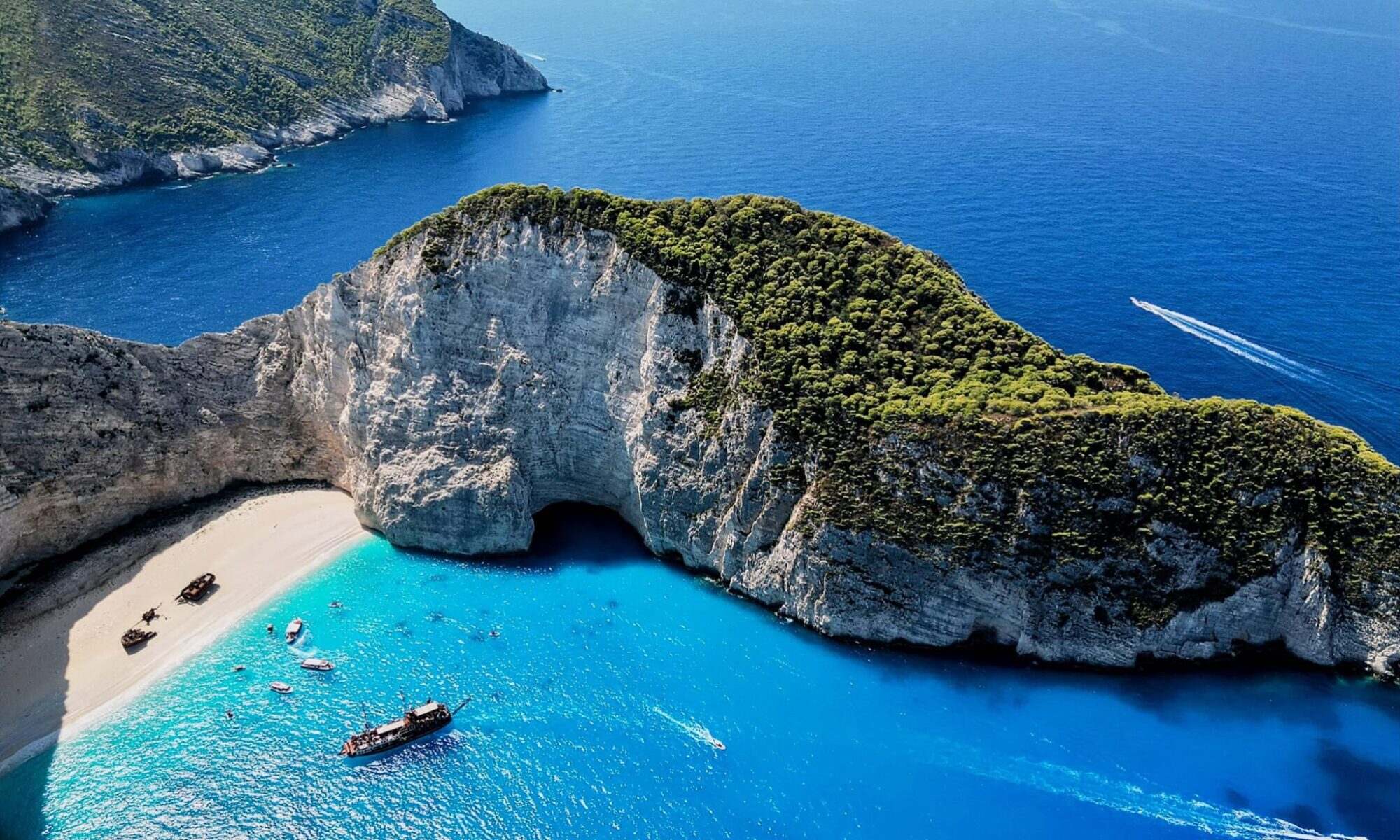


Next up, Portugal! We planned visits to Portugal’s two biggest cities – the capital Lisbon and second city Porto.
Lisbon
Our first stop was lovely Lisbon, known for its cobblestone streets, historic charms, and the very steep hills! We booked an Air BnB in the lively Cais do Sodré neighborhood, just off the famous Pink Street. The bars and clubs literally kept going until the early morning hours.
We did lots of fun things in Lisbon. We went on a food tour and got our first taste of the cuisine – salted cod, seafood rice, bifana (pork sandwiches), sardines (yes sardines!), and all the fresh seafood you can imagine! Ginjinha, a cherry liqueur served in a chocolate cup, was also a must try. But the most famous are the pastéis de nata – egg custard tarts with crispy flaky crusts. So much new food to try and definitely a different flavor from France!


Did I mention that Lisbon is hilly? So to explore the city we booked a tuk tuk tour to save our legs. We had the sweetest guide who stopped to show us cool spots and wonderful lookouts over the city.


The Christmas season began while we were in Lisbon. The mayor hosted a huge ceremony to turn on the Christmas lights around the city. We happened to be eating dinner at a rooftop restaurant and were treated to a surprise firework show (part of the Christmas celebration). The lights decorated many of the streets in the old town. It was really beautiful.


If you have read our previous posts, you know we tried the local wine. Portugal is famous for port wine. We tried a lot of it and really enjoyed it. At home, we often had port with dessert. But we learned so much more about the different types of port and the serious aging process. We scheduled a port wine tasting with From the Vine. The wine was so good, we booked a second tasting of the whites and reds. Portugal has a huge wine scene, including the Vinho Verde or green wine. Vinho verde is crisp, fresh and slightly fizzy white wine from a region in northern Portugal. And of course, the wine from the Douro Valley is amazing (more on that later).
Sintra & Cascais
We took a day trip from Lisbon to visit the iconic Pena Palace in Sintra. The Pena Palace is a UNESCO world heritage site with a wall walk that offers great views of the countryside. The architecture is Romantic style, with colorful facades, beautiful tile work and Moorish touches. The interior was restored to how it would have appeared when the Portuguese royals fled to Brazil in 1910. Definitely worth the trip.


We also visited the beach town of Cascais, which previously served as the summer spot for royalty. Cascais still has famous King’s and Queen’s beaches. We ate a delicious lunch in the village and went for a stroll on the beach and made sure to put our feet in the cool water.


Cape Roca
As part of our visit to Sintra, we stopped by Cape Roca – the westernmost point of continental Europe. What a stunning place! There is a monument and lighthouse to mark the spot. But we were not prepared for the natural beauty. We had a beautiful view of the cliffs, blue water, and rolling green countryside.


Porto
Our last stop in Portugal – Porto. We really loved this city – a historic old town built up the steep hills rising from the Douro River. We had a great Airbnb with a view of the river overlooking the sister city of Gaia. Porto was smaller than Lisbon and had a different, more authentic feel.


The city had so much to offer. We loved walking this city and admiring the architecture which features beautiful tiles cover the exterior and interior of buildings. One of the most popular spots, Livaria Lello – called the most beautiful bookstore in the world! A city that features books is our kind of place!


Port Wine
Of course Porto is famous for its port wine. Port is a fortified wine – meaning that the fermentation process is stopped by the addition of a spirit like aguardente which results in sweet wine with high alcohol content. This process was created by British merchants to keep the wine from spoiling during the trip to England. The grapes come from the nearby Douro Valley but the wine is produced and stored in the famous cellars or caves in Porto/Gaia. We toured the cellars at Taylor and Sandeman and tasted their varieties, including wine that had been aged for 30 or 40 years. It was really fun and we learned so much.


Porto also has a World of Wine which features seven museums, a wine school, shops and restaurants. We visited The Wine Experience, Planet Cork, and The Chocolate Story – all very good museums. Our favorite exhibit showcased clever art work depicting the different grape varieties. Our favorite was Sauvignon Blanc featuring New Zealand!

Douro Valley
Finally, we took a wine tour to the dramatic Douro Valley, the world’s oldest demarcated wine region. Named for the river, the region features terraced vineyards which makes for breathtaking scenery. Grapes have been grown on these hillsides for over 2,000 years. This is the birthplace of Port but also features great red and white wine.


That ends our visit to Portugal. We would love to go back one day and explore some of the smaller cities and towns and of course the Algarve when it’s warmer.

Thank you for reading! Next post our last country to visit, Spain!